
Choosing an estate agent is one of the first important decisions you’ll make when selling your home. It can be tempting to choose the agent who gives you the highest valuation or quotes the lowest fee, but neither tells you everything you need to know about the service you’re going to receive.
How was the valuation calculated? Who will conduct your viewings? How will your home be marketed? What happens when an offer arrives? And, crucially, who will keep everything moving between accepting that offer and collecting the keys to your next home?
At Oakfield, we believe sellers should feel confident about the agent they’re instructing and understand exactly what they’re signing up for. So, before choosing an estate agent, here are 12 questions worth asking – and what you should be listening for in their answers.
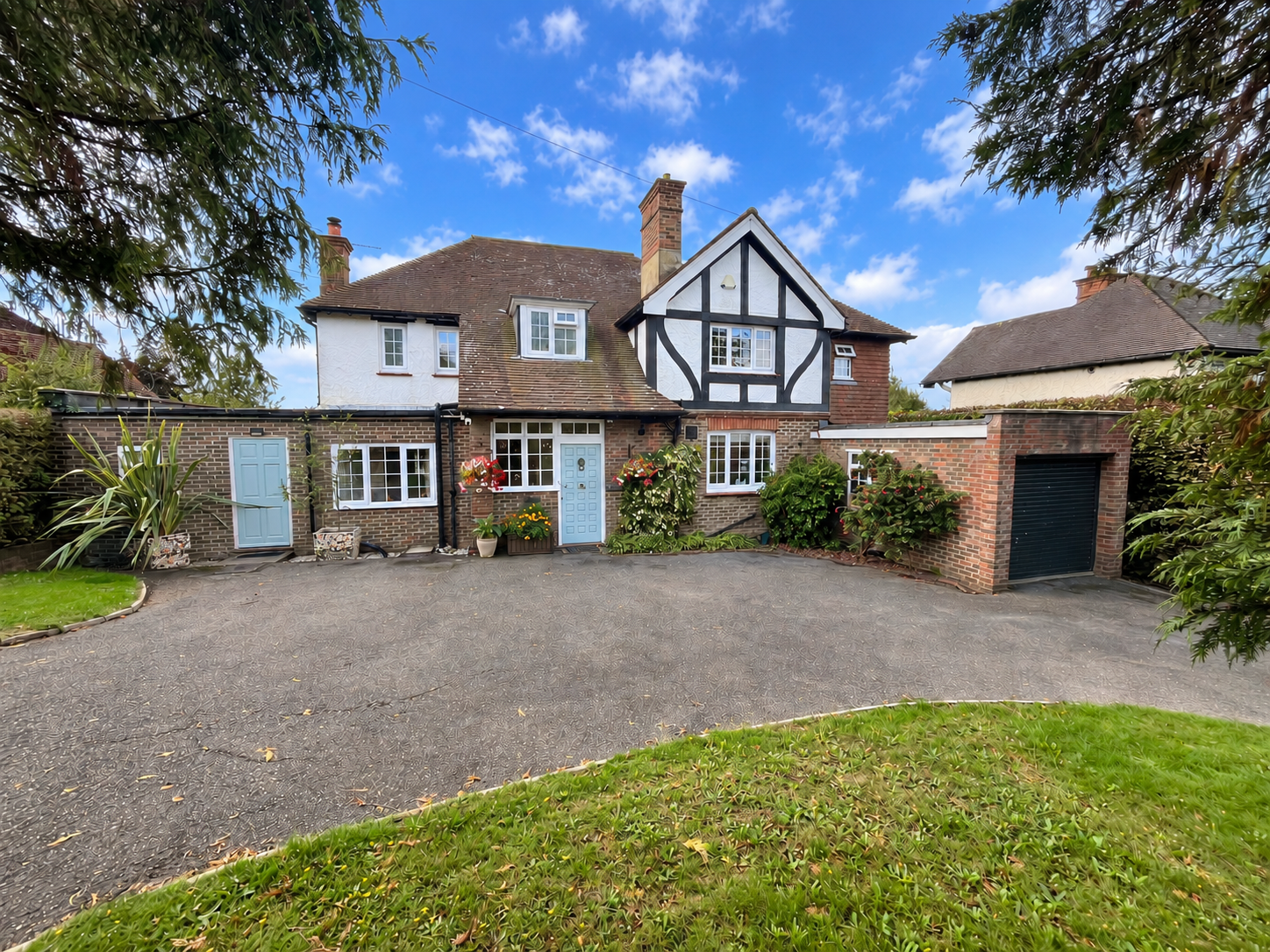
1. How did you arrive at the valuation of my property?
Naturally, one of the first things most sellers want to know is: how much is my home worth? But don’t focus only on the number. Ask the estate agent to explain how they arrived at it.
A considered market appraisal should take account of relevant evidence, including comparable properties that have sold, similar homes currently competing for buyers, your property’s condition and individual features, its precise location and current buyer demand.
Local knowledge matters here too. Two apparently similar properties can perform differently because of their road, position, condition, outlook, parking, outside space or proximity to amenities. A good agent should therefore be able to explain and support their recommended asking price, rather than simply give you an attractive number.
Should you choose the estate agent who gives the highest valuation?
Not automatically. An ambitious valuation can sound appealing, but the most useful valuation is one that gives you a realistic strategy for taking your property to market.
Ask each agent: “What evidence supports this price?” Their answer may tell you considerably more than the figure itself.
“The highest valuation isn’t always the best valuation. A good agent should be able to explain how they’ve arrived at their recommendation, show you the evidence behind it and talk you through the strategy for taking your home to market. The aim should be to put you in the strongest possible position to achieve a successful sale, not simply to tell you the number you most want to hear.”
2. What similar properties have you sold recently?
An estate agent’s experience in your particular market can be extremely valuable. Don’t simply ask how many properties the agency sells; ask whether the team has recently dealt with homes similar to yours and in your area.
It is also worth asking what happened during those sales. What sort of buyers showed interest? How did the asking price compare with the eventual outcome? Were there any particular challenges? An agent with detailed local knowledge should be able to talk confidently about the market and provide relevant examples.
Oakfield has been working in the East Sussex property market since 1996, with local teams serving Hastings, Bexhill-on-Sea and Eastbourne.

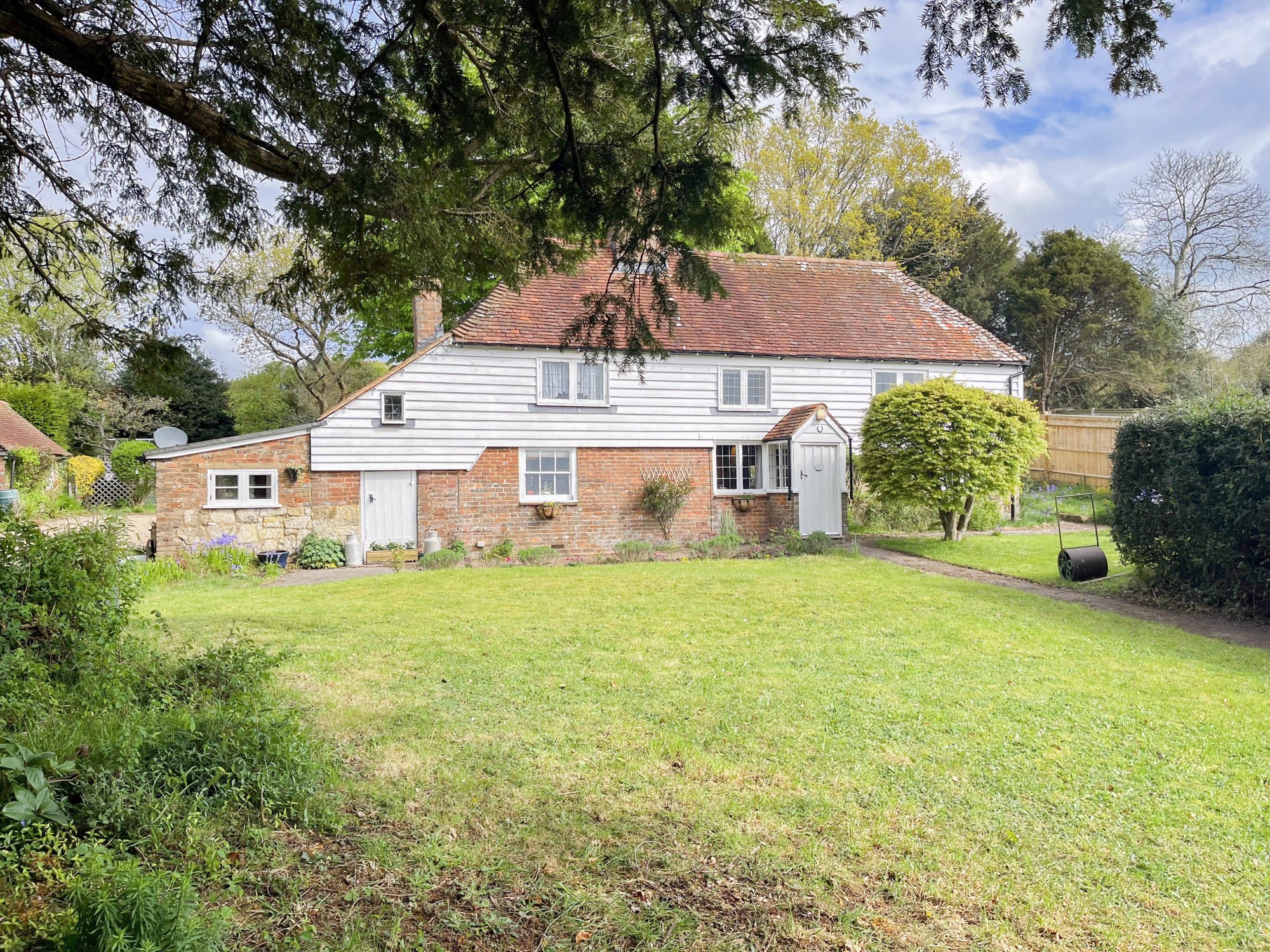

3. Who is likely to buy my property?
Selling a property isn’t simply about uploading it to a property portal and waiting for enquiries. A good estate agent should be thinking about who the likely buyer might be.
Depending on the property and location, that could include first-time buyers, families, downsizers, investors or people relocating to East Sussex. Understanding the likely audience can influence how the property is presented, which features are highlighted and how potential buyers are approached.
It is also worth asking: “Do you already have registered buyers looking for a property like mine?” An established database of active buyers can complement the exposure a property receives through online marketing.
“Good marketing gets a buyer’s attention, but the work shouldn’t stop once a property is online. We’re constantly talking to buyers, understanding what they’re looking for and matching them with homes that might suit them. For sellers, that means you want an agent who is actively creating opportunities rather than simply waiting for enquiries to arrive.”
4. How will you market my property?
Ask for specifics. “We’ll put it on the property portals” isn’t a complete marketing strategy. Find out what’s actually included.
Depending on the property and service, that could involve professional-quality photography, floorplans, carefully written particulars, major property portals, the agent’s own website, social media and direct contact with suitable registered buyers.
Then look at the agent’s existing property listings. Are the photographs good enough? Are the descriptions useful? Do the floorplans help you understand the property? Are distinctive features properly explained? If you were buying rather than selling, would the listing make you want to know more?
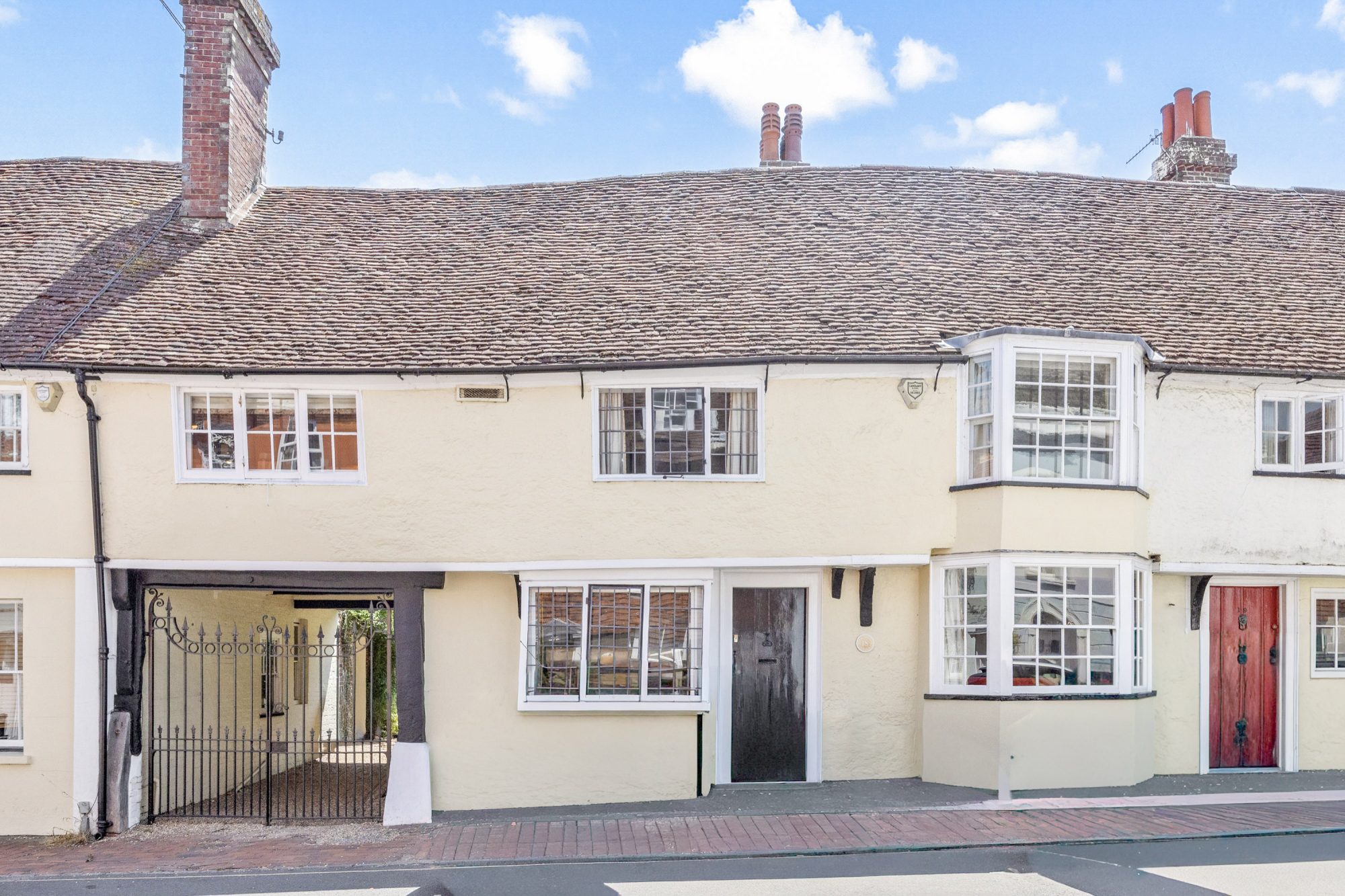
5. Who will conduct the viewings?
Getting potential buyers through the door is only part of the job. Ask whether the estate agent will conduct viewings on your behalf, who is likely to carry them out and how they prepare beforehand.
Someone showing a property should understand its important features and be capable of answering reasonable questions from prospective buyers. But what happens after the viewing matters too.
Will the agent proactively seek feedback, how quickly will they do it and how will that feedback be communicated to you? If several buyers make similar comments, will the agent discuss what that might mean for your sales strategy?
Viewing feedback isn’t simply something to pass on. Used properly, it can provide useful information about how buyers are responding to your property.
6. How will you keep me updated?
Selling a home can be stressful enough without wondering what’s happening and feeling that you constantly need to chase your estate agent. Before instructing an agent, establish:
- Who will be your main point of contact?
- How will viewing feedback be communicated?
- How frequently can you expect an update?
- What happens when there isn’t much activity?
- Who should you contact if your usual person isn’t available?
Good communication isn’t just about delivering good news. If the property isn’t generating the expected response, you should know about that too, along with what your agent recommends doing next.
7. What are your estate agent fees and what do they include?
Fees are understandably important, but comparing agents purely on a percentage doesn’t necessarily tell you which offers the best value. Ask exactly what the quoted fee includes.
Are there additional marketing costs? Is VAT included in the figure you’ve been quoted? Are there charges you need to know about if the property doesn’t sell?
You should also consider what you’re receiving for the fee. Marketing, local knowledge, availability for viewings, negotiation, buyer qualification, communication and sales progression can all influence your experience and potentially the outcome of your move.
The useful question isn’t simply “Which estate agent is cheapest?” It’s “What am I receiving for the fee I’m paying?”
8. What type of estate agency agreement will I be signing?
Never sign an agency agreement without understanding what you’re committing to. Ask the agent to explain:
- Whether the agreement is sole agency, joint agency or another arrangement
- How long the initial agreement lasts
- Any notice period
- What fees may become payable and in what circumstances
- Any other important terms or obligations
If you’re unsure about a clause, ask. A reputable estate agent should be comfortable explaining the agreement clearly before you make a commitment.
9. What happens when I receive an offer?
Receiving an offer is exciting, but the biggest number isn’t necessarily the whole story. Your estate agent should establish as much as reasonably possible about the prospective buyer’s position.
For example, are they a first-time buyer or do they have a property to sell? If they are selling, is it already under offer? Are they part of a chain? Are they buying with a mortgage, and do they have an agreement in principle where appropriate? Are they a cash buyer? How quickly are they hoping to move?
Understanding the buyer’s circumstances can help you make a more informed decision when considering competing offers.
This is also where an agent’s negotiation skills become particularly important. Ask how they’ll handle negotiations, how they’ll communicate offers to you and what information they’ll provide to help you make your decision.
10. What happens after I accept an offer?
This may be one of the most important questions in the entire list. Agreeing a sale is not the same as completing one.
In England and Wales, an accepted offer is generally not legally binding until contracts are exchanged. Between those two points there can still be surveys, mortgage arrangements, searches, enquiries, conveyancing and a property chain to coordinate.
That’s why sales progression matters.
Ask your prospective agent who progresses the sale and how frequently they will follow up. Will they communicate with the buyer, solicitors, mortgage advisers and other estate agents in the chain where appropriate? How will they keep you informed? And what happens if a problem threatens to hold everything up?
At Oakfield, our involvement doesn’t stop once an offer has been agreed. Our teams continue working with the people involved to help keep communication flowing and the transaction moving towards exchange and completion.
That ongoing communication was highlighted by Oakfield seller Amie Simms following her recent sale:
“Communication was excellent the entire way through, and we always felt kept up to date and supported.”
Amie particularly highlighted Oakfield Sales Progressor Jo Bartholomew, saying:
“Jo kept in regular contact not only with us but with the rest of the chain as well… to help keep everything moving smoothly and ensure the sale completed successfully.”
Earlier in the process, Amie also explained that the Oakfield team had proactively contacted suitable applicants from its buyer database, generating early interest and helping the property achieve a quick sale.
SELLING WITH OAKFIELD
The seven stages of selling your home
Agreeing an offer is an important milestone, but there is still work to do before the keys change hands. Here’s how Oakfield supports a sale from the initial valuation through to completion.
FROM VALUATION TO AN AGREED SALE
1
Valuation
A local Oakfield valuer assesses your home, reviews comparable sales and current market conditions, and recommends an asking price with clear reasoning behind it.
2
Marketing
Photography, floorplans and property particulars are prepared before your home is launched online and introduced to suitable buyers already registered with the branch.
3
Viewings
Viewings are arranged and followed up, with buyer feedback shared with you so we can understand how the market is responding.
4
Offer agreed
We negotiate offers and establish the buyer’s position, including their chain position and funding, so you have the information you need before deciding whether to accept.
FROM AGREED SALE TO COMPLETION
5
Sales progression
Once the sale is agreed, we stay in regular contact with the people involved, helping to keep communication flowing, identify delays and maintain momentum towards exchange.
6
Exchange
Once the legal work is complete and everyone in the chain is ready, contracts are exchanged and a completion date is agreed.
7
Completion
On completion day, the funds are transferred and the keys can be released. Your Oakfield team remains available if you need any help as you move.
Why sales progression matters
Agreeing an offer is only one stage of a successful move. Surveys, mortgage arrangements, searches, legal enquiries and other parts of the property chain can all affect what happens next. Active sales progression helps keep everyone informed, spot delays early and maintain momentum towards exchange and completion.
THINKING OF SELLING?
Start with a free, no-obligation valuation from your local Oakfield team.
11. What will you do if my property isn’t selling?
Even with good preparation and marketing, not every property receives the expected response immediately. What matters is what your estate agent does next.
Ask how they would review a property that isn’t attracting sufficient interest. That could involve looking at:
- Online interest and enquiries
- Number and quality of viewings
- Viewing feedback
- Photography and presentation
- Property particulars
- Competing properties
- Changes in local market conditions
- Asking-price strategy
The important thing is that there is a strategy. Simply leaving a property online and hoping something changes isn’t the same as actively managing a sale.
12. Why should I choose your estate agency?
Finally, ask perhaps the simplest question of all: why should I choose you? Then listen carefully to the answer.
Don’t judge it solely on the sales pitch. Has the agent demonstrated knowledge of your local market? Have they listened to what matters to you? Can they explain their valuation? Have they shown you the standard of their marketing? Have they explained what happens after an offer? Do they communicate clearly?
Most importantly, can you see yourself trusting this person and their team with what is likely to be one of your largest financial transactions? The relationship matters.
What are the warning signs when choosing an estate agent?
No single factor automatically means an estate agent is wrong for you, but it’s worth asking more questions if:
- A high valuation can’t be supported with convincing evidence
- The fee sounds attractive but it’s unclear what’s included
- Their existing property listings don’t impress you
- They can’t explain who will handle viewings or sales progression
- You’re unclear about the length or terms of the agency agreement
- Communication is difficult before you’ve even instructed them
- They talk mainly about getting your property listed rather than how they’ll help you get it sold
Ultimately, you should understand both what the agent is promising and how they intend to deliver it.
Frequently asked questions about choosing an estate agent
Should I get more than one estate agent valuation?
Getting valuations from more than one agent can help you compare not only suggested asking prices, but the evidence behind them, marketing approach, fees, agreement terms and the people you’ll be working with.
Don’t assume the highest valuation automatically represents the best option.
Should I choose the cheapest estate agent?
Not necessarily. Fees matter, but they should be considered alongside what’s included in the service. Marketing, negotiation, local knowledge, communication, viewings and sales progression can all be important parts of an estate agent’s role.
How do I know whether an estate agent's valuation is realistic?
Ask them to explain the evidence behind it. This could include comparable properties that have sold, similar homes currently available, current buyer activity and factors specific to your property and its location.
What does an estate agent do after accepting an offer?
A proactive estate agent should continue communicating with the parties involved and help progress the transaction towards exchange and completion.
This can include liaising with the buyer, seller, conveyancers, mortgage advisers and other estate agents in a property chain where appropriate, identifying delays and keeping the seller informed.
Is an accepted offer on a house legally binding?
In England and Wales, an accepted offer on a residential property is generally not legally binding until contracts are exchanged. This is one reason the period between accepting an offer and exchange requires continued communication and sales progression.
What should I compare when choosing between estate agents?
Compare more than valuations and fees. Look at local experience, relevant recent sales, marketing quality, viewing arrangements, communication, negotiation, contract terms and what happens after a sale is agreed.
Choosing the right estate agent for your move
There’s plenty to think about when selling a home, but choosing the right estate agent is a good place to start. Don’t be afraid to ask questions and compare the service being offered rather than simply the headline valuation or fee.
Look for an agent who can explain their advice, understands your local property market, presents homes properly, communicates clearly and remains proactive from valuation through to completion.
Oakfield has been helping people move since 1996, with local teams serving Hastings, Bexhill-on-Sea and Eastbourne.
Thinking about selling your property?
If you’re considering a move, a property valuation isn’t simply about putting a number on your home. It’s an opportunity to understand how your property sits within the current local market, who might buy it and how an estate agent would approach bringing it to market.
Arrange a free, no-obligation valuation with your local Oakfield team and talk to us about your plans.